



Redness that just won’t go away, fine broken capillaries on the cheeks and nose, skin that reacts irritably to everything—those affected by these issues usually spend a long time searching for an active ingredient that helps without causing further irritation. One name comes up time and again: azelaic acid. It’s considered one of the gentlest active ingredients based on acids and is frequently recommended, especially for rosacea and skin prone to redness. In this review, we take an honest look at what azelaic acid can do, where the line between cosmetics and medicine lies—and how you can further strengthen sensitive, redness-prone skin in your daily routine.
What is azelaic acid and how does it work?
Azelaic acid is a dicarboxylic acid that occurs naturally in grains such as wheat, rye, and barley—and is even produced by yeasts on our own skin. Unlike traditional exfoliating acids (AHAs, BHAs), it barely exfoliates the skin but works more subtly:
- Soothing: Azelaic acid can soothe irritated-looking skin and help reduce visible redness.
- Clarifying: It combats the bacteria associated with blemishes and can help reduce clogged pores.
- Balancing: It can help even out skin tone in cases of pigmentation spots and post-acne marks.
- Well-tolerated: Compared to retinol or high-dose fruit acids, it causes irritation significantly less often—hence its reputation as the gentlest of the acids.
It is precisely this combination—soothing and clarifying at the same time—that makes azelaic acid appealing for skin prone to both redness and blemishes.
Azelaic Acid for Rosacea: Where Cosmetics End and Medicine Begins
Honesty is key here: Rosacea is a chronic skin condition—and therefore a matter for the dermatologist’s office, not the cosmetics shelf. The good news: Azelaic acid is indeed one of the active ingredients used in rosacea treatment. As a prescription medication, in concentrations of 15 to 20 percent, and under medical supervision.
Cosmetic products use lower concentrations, usually around 10 percent. They can help improve the skin’s appearance and visually reduce redness—but they are no substitute for medically prescribed therapy. If you suspect you have rosacea (persistent redness, visible broken capillaries, inflammatory papules, burning sensation), have it evaluated by a dermatologist before investing a lot of money in cosmetics. This isn’t just a cliché—it’s the fastest way to skin you’ll feel comfortable with again.
Using azelaic acid: start slowly, be consistent
If you’re trying azelaic acid—whether as a cosmetic serum or a prescription—there are a few basic rules to follow:
- Start slowly: Use it every other or every third evening at first, then gradually increase the frequency. A slight tingling sensation during the first few applications is normal and usually goes away.
- Apply in the evening: Apply to dry skin after cleansing, followed by a soothing moisturizer. Our guide to the skincare routine explains the correct order.
- Use sunscreen during the day: Skin prone to redness is sensitive to UV light—sunscreen is the most important daily step for rosacea anyway. The SKINCYCLOPEDIA SPF 50 Hydrating Fluid provides lightweight protection without a greasy shine.
- Avoid combining irritating products: Harsh exfoliants, high-concentration retinol, or alcohol-heavy toners have no place alongside azelaic acid—or on redness-prone skin in general.
Strengthen skin prone to redness: focus on the barrier first
Full disclosure: We currently do not carry a pure azelaic acid serum in the BONSANA lineup. But what we can say from experience is this: When it comes to redness, it’s rarely a single active ingredient that makes the difference—it’s the condition of the skin barrier. If it’s intact, the skin reacts much more calmly to irritants; if it’s compromised, any redness is exacerbated.
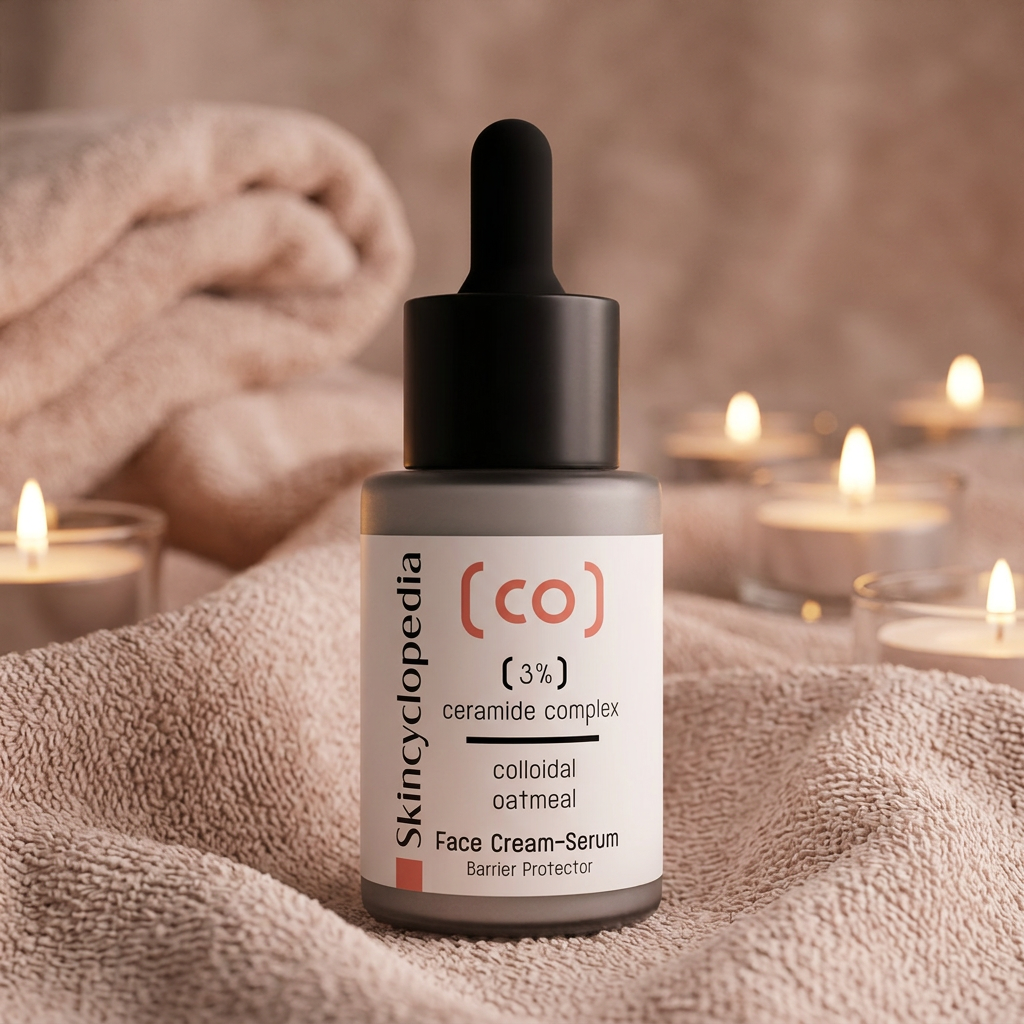
Two active ingredients have proven effective here: Ceramides replenish the lipids that a stressed barrier lacks—that’s what the SKINCYCLOPEDIA Ceramide Serum 3% is designed to do. And niacinamide supports the skin’s barrier function while evening out the skin’s appearance—as found in the SKINCYCLOPEDIA Niacinamide 10% Serum with Zinc, which should be introduced gradually to sensitive skin. Especially after summer, when sun and chlorinated water have taken a toll on your skin, focusing on the skin barrier is doubly worthwhile—read more about this in the guide “Skin After Summer Vacation.” And if you’d also like to use soothing masks, you’ll find an overview of which mask types are suitable for sensitive skin in the Face Mask Guide.

Shop Now
Gentle Serums for Sensitive Skin
Ceramides, niacinamide, and more for irritated, redness-prone skin—in stock in Switzerland with 24-hour shipping.
View active ingredient serums →Frequently Asked Questions About Azelaic Acid
Does azelaic acid really help with rosacea?
Azelaic acid is indeed used in the treatment of rosacea—but as a prescription medication in concentrations of 15 to 20 percent, under a doctor’s supervision. Cosmetic products with lower concentrations can help improve the appearance of the skin but are not a substitute for medical treatment.
What percentage of azelaic acid do cosmetic products contain?
Usually around 10 percent. Prescription formulations with 15 to 20 percent are considered medications and should be used under a doctor’s supervision. For the cosmetic care of skin prone to redness, lower concentrations are a sensible, gentle starting point.
Can I combine azelaic acid with niacinamide?
Yes, the two complement each other well: azelaic acid soothes and clarifies, while niacinamide supports the skin barrier. It’s important to introduce both active ingredients one after the other and give the skin time to adjust.
How long does it take for azelaic acid to work?
Patience is key: Expect it to take four to eight weeks of regular use before you see a visible change in your skin’s appearance. For prescription-only products, your dermatologist will specify the timeframe.
What provides immediate relief for acute redness?
In the short term: apply a cool (not icy) compress, use low-irritant, fragrance-free skincare, apply sunscreen—and avoid triggers such as hot beverages, alcohol, or saunas. If the redness persists, a dermatological evaluation is the right step.
For retailers: Do you run a pharmacy, drugstore, perfume shop, or online beauty store in Switzerland? As an official distributor, BONSANA supplies you with SKINCYCLOPEDIA and other curated beauty brands—become a retailer now.


