



Ingredient Encyclopedia · L
INCI: Lanolin
Lanolin is one of the oldest skincare ingredients in existence—and remains one of the most reliable treatments for dry, chapped lips to this day. This wool wax locks moisture into the skin, restores suppleness to rough patches, and has been at the heart of the CARMEX formula since 1937. A classic that has truly earned its reputation.
What is lanolin?
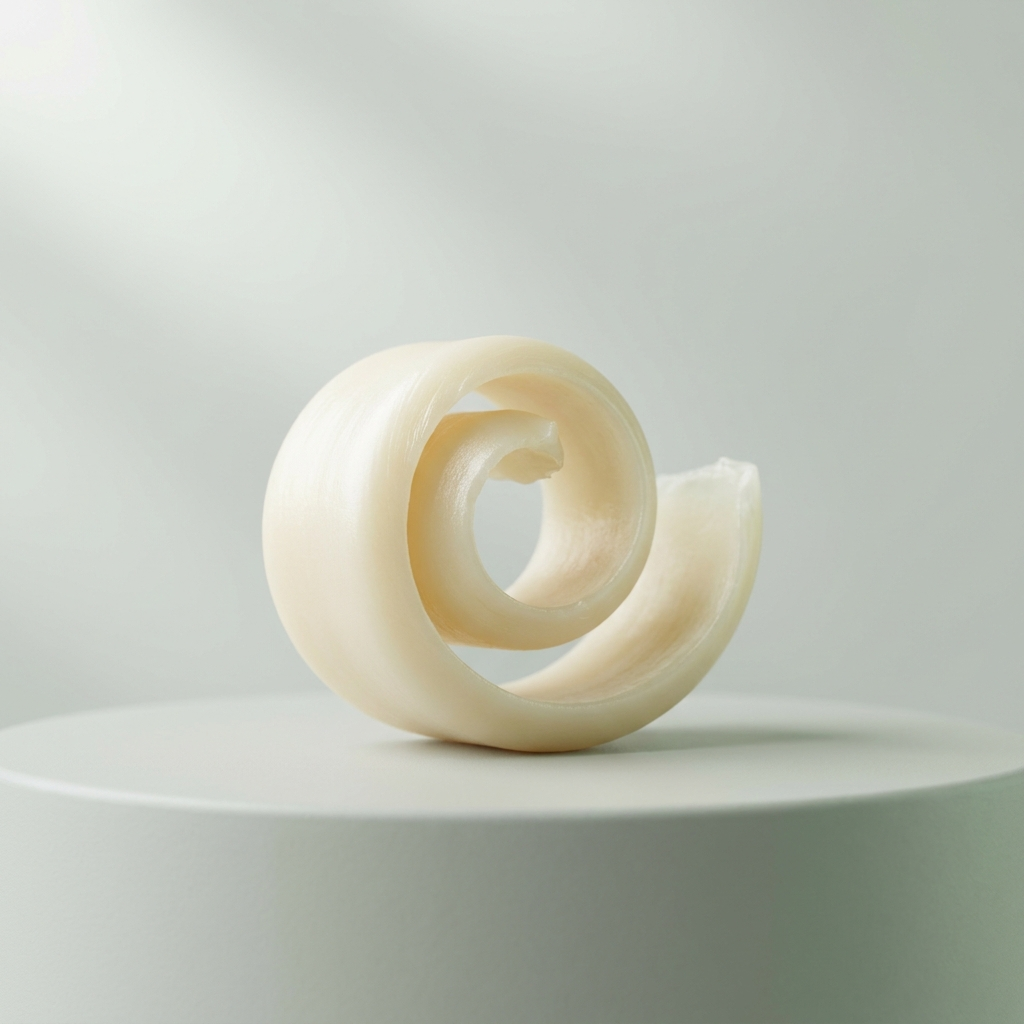
Lanolin is a natural wax derived from sheep's wool. Sheep produce it in their sebaceous glands to protect their coats from moisture and wind—it is extracted when the sheared wool is washed, and the animals are not harmed in the process. For use in cosmetics, the raw wax is purified and processed multiple times; this highly purified lanolin has been used for generations in lip care products, hand creams, and treatments for heavily stressed areas of the skin.
What makes it special: Lanolin's composition is similar to the skin's own lipids, and it can bind several times its own weight in water. It has a semi-occlusive effect—it forms a smooth layer on the skin and lips, slowing moisture loss without completely sealing them off. It is precisely this combination that makes it the ideal active ingredient for the thin, sebaceous-gland-free skin of the lips, which naturally dries out quickly.
Effect: What's Been Proven
Four out of five bars—lanolin is one of the best-documented skincare ingredients of all. Studies show that it measurably reduces water loss through the skin and makes rough, chapped areas softer and more elastic. It has been established as a skin-protecting ingredient for decades and is also used on very dry, stressed skin. Important for an honest assessment: Lanolin does not actively repair the skin—it creates the conditions under which the skin can regenerate itself. For dry lips, that's usually all it takes.
Application & Combination
You can apply lip care products containing lanolin as often as you like—there's no upper limit and no need to let your skin get used to it. It's especially useful: in the evening before bed as an overnight treatment and outdoors in cold, windy weather or dry, heated air. In the CARMEX formula, lanolin works in tandem with beeswax, cocoa butter, menthol, and camphor to provide that signature cooling sensation.
Pairs well with
✓ Beeswax – strengthens the protective layer and gives the balm staying power
✓ Sunscreen (SPF)—provides additional UV protection for the thin skin of the lips
✓ Cocoa butter & oils – make the texture creamy and pleasant
Note
! Wool wax allergy: If you're sensitive to lanolin, it's best to choose lanolin-free products—if in doubt, test new products on the inside of your elbow first
! Quality matters: Cosmetic-grade lanolin is highly purified—irritations are often caused by lower-quality products
Lanolin in the BONSANA lineup
Shop Now
CARMEX: A lanolin classic since 1937
Jar, tube, or stick—the classic lip balm with lanolin, shipped quickly to you from our Swiss warehouse.
View the CARMEX collection →Frequently Asked Questions About Lanolin
Is lanolin vegan?
No. Lanolin is of animal origin because it is derived from sheep's wool—though no harm comes to the animal, as it is a byproduct of washing the sheared wool. If you're looking for purely plant-based care, opt for alternatives made from plant waxes and butters.
Can lanolin cause allergies?
Rarely, but it's possible. The so-called wool wax allergy is well-known and affects a small portion of the population. If you have sensitive skin or are unsure, test new products on a small area of skin first—if redness or itching occurs, switch to lanolin-free products.
Why is lanolin so common in lip care products?
The skin on the lips has no sebaceous glands and therefore dries out faster than other areas of the skin. Lanolin counteracts exactly that: It locks in moisture, softens the lips, and leaves a noticeable protective layer on them—ideal for a balm designed to last a long time.
Does lanolin help with severely chapped lips?
Lanolin is one of the most proven ingredients for treating chapped, cracked lips: It locks moisture into the skin and helps it regenerate on its own. However, if cracks do not heal within a few weeks or become inflamed, you should consult a doctor.


