



Active Ingredients Glossary · G
INCI: Glycolic Acid
Glycolic acid is the workhorse of chemical peels: the smallest alpha-hydroxy acid (AHA), the one that penetrates deepest, and by far the most thoroughly studied. It exfoliates dead skin cells, smooths the skin’s surface, and makes dull skin glow—but it demands respect: Anyone using glycolic acid must consistently wear sunscreen during the day.
What is glycolic acid?
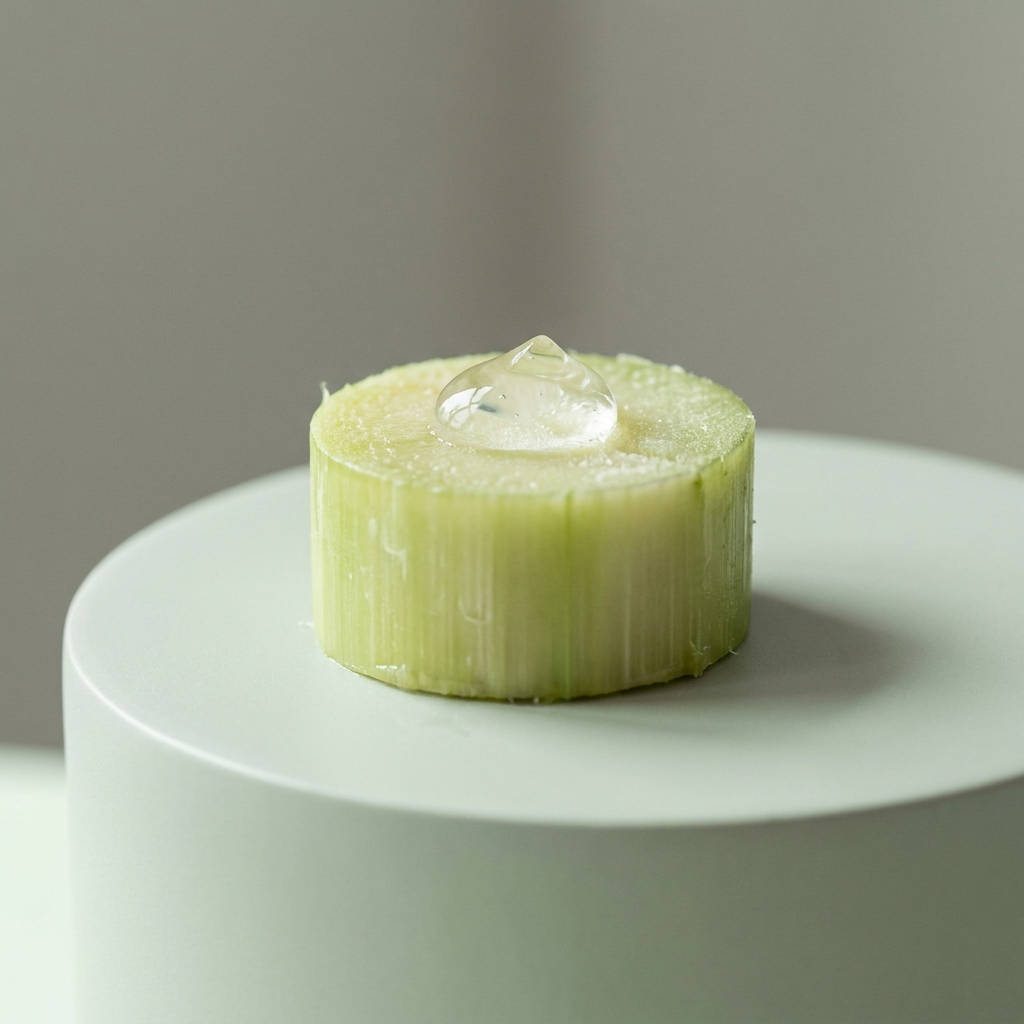
Glycolic acid belongs to the family of alpha-hydroxy acids, which were traditionally derived from plants—in the case of glycolic acid, from sugarcane. For cosmetic use, it is now mostly produced in laboratories, which makes purity and concentration easier to control. Its key advantage is its molecular size: Glycolic acid is the smallest AHA and therefore penetrates the outermost layers of the skin more deeply than any other fruit acid.
There, it breaks down the “cement-like substance” between dead skin cells: the old cells can shed more easily, revealing fresher, smoother skin underneath. It is precisely this deep-penetrating effect that makes glycolic acid the strongest AHA—and, at the same time, the acid with the greatest potential for irritation.
Effect: What the Evidence Shows
The body of research is excellent—five out of five stars. Glycolic acid is one of the longest-studied exfoliating ingredients of all. Well-documented benefits include a smoother skin surface and a finer skin texture, a fresher, more even complexion, and a softening effect on superficial pigmentation spots and fine dryness lines—all with regular use over several weeks. The effect depends heavily on concentration and formulation: A 5% toner works gently, while a 15–20% exfoliant is significantly more intense. Still, don’t expect overnight miracles—glycolic acid improves the appearance of the skin; it doesn’t change the skin itself.
Application & Combination
Glycolic acid belongs in your evening routine: apply it to cleansed, dry skin, followed by moisturizer. Start with one application per week and slowly increase to a maximum of two to three. Non-negotiable: On all days during the acid treatment phase, your skin needs daytime sun protection with SPF 30 or higher, because AHAs temporarily make the skin more sensitive to light.
Good Combinations
✓ Hyaluronic acid & moisturizer – soothes and plumps the skin after exfoliation
✓ Ceramides – rebuild the skin barrier on acid-free days
✓ Niacinamide – complements the smoothing effect, ideal on other evenings
Note
! Sunscreen is a must—AHAs make the skin more sensitive to light for weeks
! Do not combine with retinol or other acids on the same evening
Glycolic acid in the BONSANA lineup
Shop Now
Smooth Skin with Glycolic Acid
Exfoliators and acid-based skincare for face and body—trusted brands, ready to ship from our Swiss warehouse.
Discover Exfoliators & Body Care →Frequently Asked Questions About Glycolic Acid
How often can I use glycolic acid?
As a leave-on treatment with 5–10% concentration, use it one to three times a week in the evening. Use highly concentrated exfoliants with 15–20% concentration no more than once a week. Always start with the lowest concentration and observe how your skin reacts.
Why is sunscreen absolutely necessary when using glycolic acid?
AHAs remove the outermost layer of skin cells, making your skin temporarily much more sensitive to light. Without SPF, you risk redness and new dark spots—which is exactly the opposite of the desired effect. SPF 30+ is mandatory throughout the entire acid treatment phase.
Is a slight tingling sensation normal?
Yes, a brief tingling sensation in the first few minutes is common with glycolic acid. Severe burning or persistent redness, on the other hand, are warning signs: Rinse off the product and reduce the concentration or frequency of use.
Who shouldn’t use glycolic acid?
Glycolic acid is too harsh for very sensitive, irritated, or acutely inflamed skin. Gentler alternatives include lactic acid or PHAs—they act more gently on the skin’s surface.


