



Active Ingredients Glossary · K
INCI: Caffeine
Caffeine is the active ingredient that produces the most immediately visible results in cosmetics—and the ones that last the shortest. It constricts superficial blood vessels, has an antioxidant effect, and makes puffy eyes look more awake in the morning. It is not an anti-aging ingredient, and it certainly isn’t a hair growth stimulant.
What is caffeine?
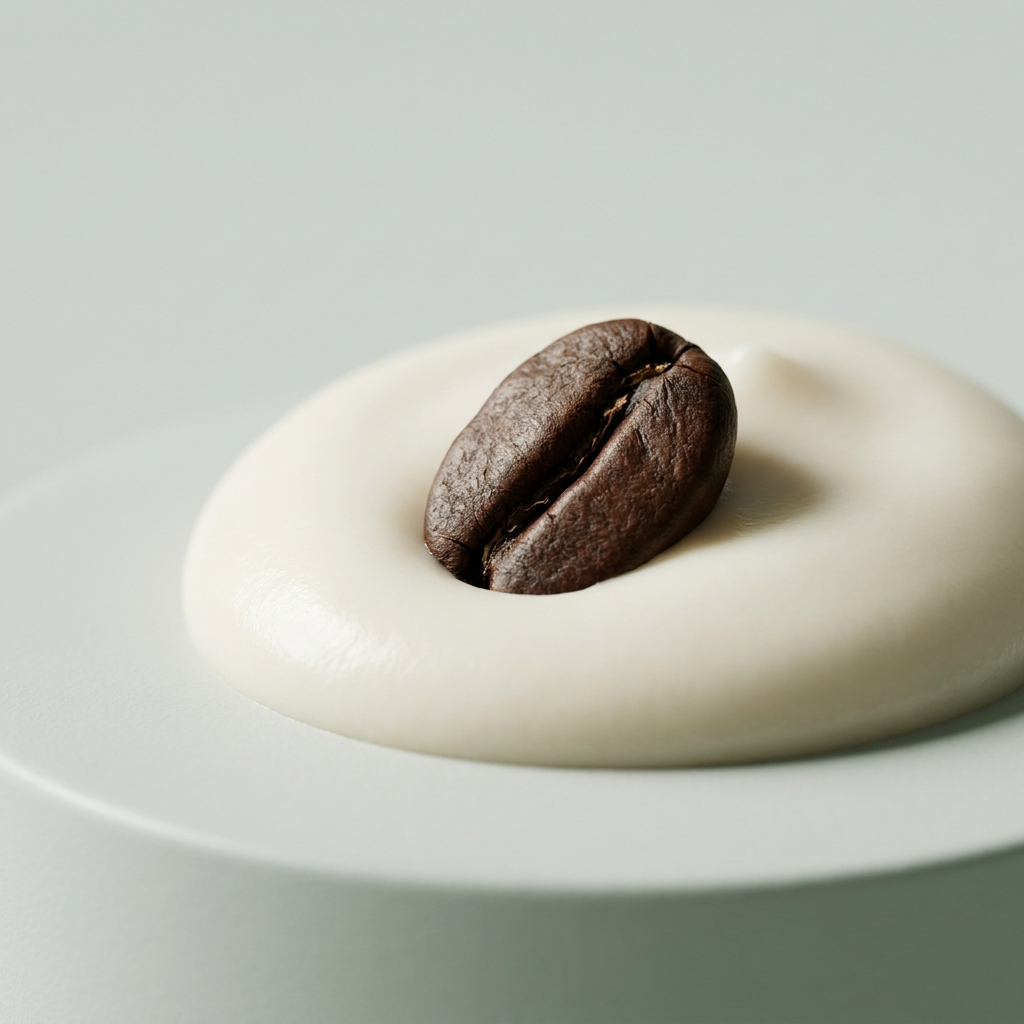
Caffeine is a plant-based alkaloid found in coffee, tea, and cocoa plants. In cosmetics, it appears either as “Caffeine” in its pure form on the INCI list or is hidden within extracts such as Coffea Arabica Seed Extract or Camellia Sinensis Leaf Extract. It is small, highly water-soluble, and penetrates the outermost layers of the skin with relative ease—one of the reasons it appears in so many eye, scalp, and body products.
You’ll most commonly find caffeine in three categories: eye care (roll-ons, pads, creams), scalp shampoos, and body scrubs. This is no coincidence—in all three cases, the focus is on blood circulation, freshness, and a temporarily firmer skin feel, not on long-term transformation.
Effect: What’s Proven
The best-documented effect is its vasoconstrictive action. Caffeine causes superficial blood vessels to constrict briefly—making the eye area appear less puffy and less tired. The effect sets in quickly and lasts for several hours. Its antioxidant properties are also well-documented: caffeine neutralizes free radicals, thereby helping to protect against oxidative stress.
The evidence is less robust for two claims. First, cellulite: Caffeine can make the skin appear temporarily smoother and firmer, but it does not alter the underlying structure. Second, hair: Regarding caffeine on the scalp, there are laboratory studies and a few small clinical trials suggesting a potential effect, but no solid evidence that a shampoo stops hair loss or promotes hair regrowth. A caffeine shampoo is a cosmetic scalp care product—pleasant, stimulating blood circulation, but not a medication. That’s exactly what the three out of five bars represent: safe immediate effects, weak long-term evidence.
Application & Combination
Caffeine is a morning active ingredient. Eye roll-ons and pads work best when cool—storing them in the refrigerator further enhances their decongestant effect. On the scalp, you need contact time: massage in for one to two minutes, then rinse out. Body scrubs with coffee grounds combine mechanical exfoliation with caffeine; once or twice a week is plenty.
Good Combinations
✓ Peptides and CoQ10 — a classic duo in eye care
✓ Niacinamide — for a more even complexion around the eyes
✓ Hyaluronic acid — counteracts the slightly drying effect
Note
! The effect is temporary—daily use is necessary
! Dark circles caused by genetics or pigmentation will remain
Caffeine in the BONSANA lineup
Available in-store
Caffeine for Eyes, Scalp, and Body
Roll-ons, eye pads, shampoo, and coffee scrubs—all ready to ship from our Swiss warehouse.
View the selection →Frequently Asked Questions About Caffeine
Does caffeine help with dark circles under the eyes?
It helps with puffiness, yes, but only to a limited extent with discoloration. If the dark circles are caused by visible blood vessels, caffeine can improve the appearance somewhat. Shadows caused by pigmentation or genetics will remain visible.
How long does the effect last?
A few hours. The decongesting effect isn’t permanent—that’s why caffeine is a product for your morning routine that you use daily.
Does caffeine shampoo promote hair regrowth?
No. There are laboratory tests and small studies suggesting an effect on hair follicles, but no reliable evidence of hair regrowth. If hair loss persists, the cause should be evaluated by a doctor.
Does caffeine help with cellulite?
It can make the skin look firmer and smoother in the short term, especially when combined with massage during exfoliation. It does not change the structure beneath the skin.


