



Ingredient Encyclopedia · Z
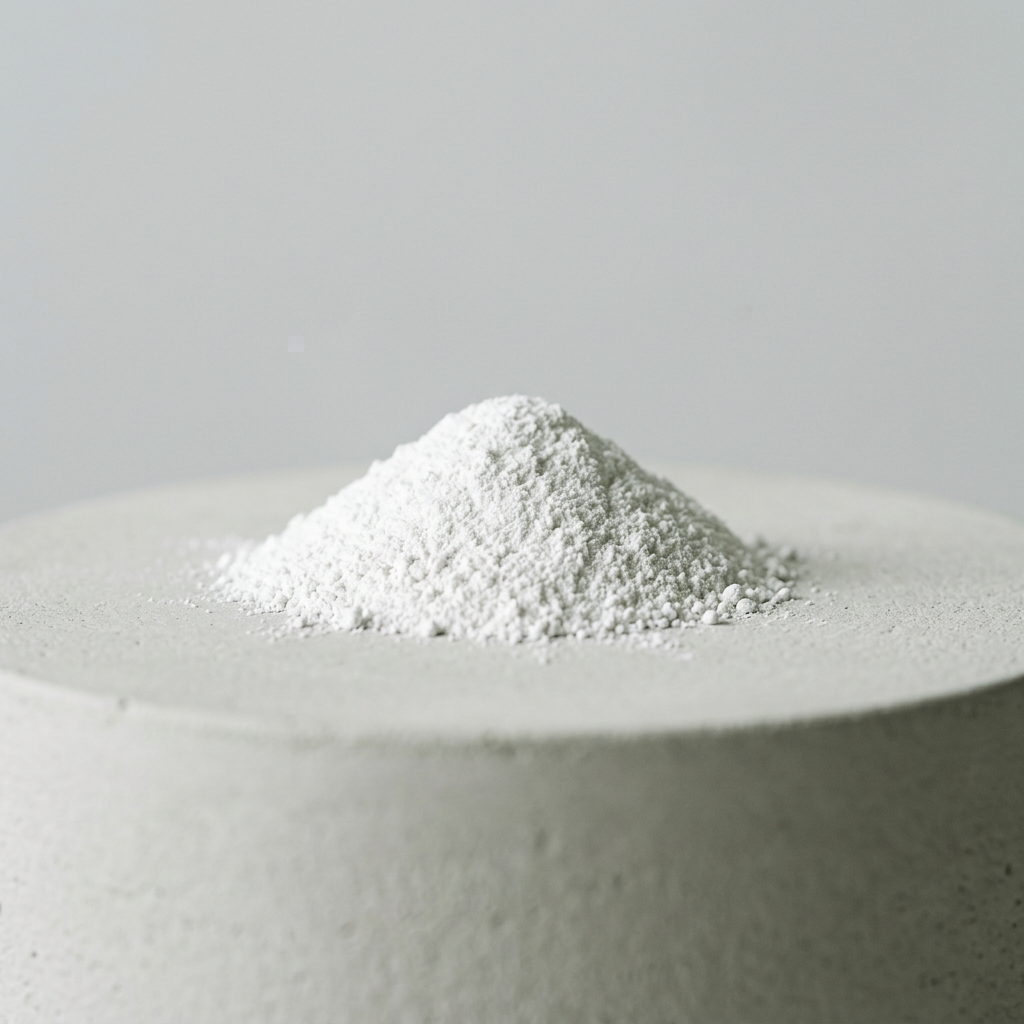
INCI: Zinc PCA
Zinc is the unsung hero in many formulas for treating blemish-prone skin: This trace element helps regulate excess sebum and mattifies shiny skin—usually in combination with niacinamide. It's not a flashy, trendy ingredient, but it's backed by solid scientific data and is very well tolerated.
What is zinc?
Zinc is an essential trace element involved in countless processes in the body—including skin regeneration. In cosmetics, it is never used as a pure metal, but rather as a compound. The most important form used in skincare is Zinc PCA: Here, zinc is bound to PCA, a component of the skin's own natural moisturizing factor (NMF). This combination fulfills two functions in a single molecule—sebum regulation and moisture retention.
Don't confuse it with zinc oxide, which is a different zinc compound used as a mineral UV filter and in wound-protecting creams. When serums and toners for blemish-prone skin mention "zinc," they almost always mean Zinc PCA.
Effect: What's Been Proven
Four out of five bars: There is a broad body of research on zinc compounds. Its sebum-regulating effect is well documented—Zinc PCA can measurably reduce sebum production, which mattifies oily skin and makes the complexion appear more even. In addition, it has astringent and skin-soothing properties that support skin prone to breakouts. Important to note: Cosmetic zinc cares for blemish-prone skin, but it is not a medication—in cases of severe acne, treatment should be left to a dermatologist.
Application & Combination
Zinc is straightforward: it can be used in the morning and evening, requires no adjustment period, and does not increase sun sensitivity. You'll most often find this active ingredient as part of a niacinamide serum—the "10% niacinamide + 1% zinc" combination is the modern standard for oily and blemish-prone skin.
Pairs well with
✓ Niacinamide—the classic duo for sebum and pores
✓ Salicylic acid – BHA clears blockages, zinc helps regulate
✓ Hyaluronic acid—hydration without any oiliness
Note
! Cosmetic zinc is not a substitute for dermatological treatment in cases of severe acne
! Using multiple mattifying products at the same time can dry out the skin—pay attention to how your skin feels
Zinc in the BONSANA lineup
Shop Now
Skincare for blemish-prone skin with zinc
Serums, sets, and masks for blemish-prone skin—trusted brands, ready to ship from our Swiss warehouse.
View the Blemish-Prone Skin Collection →Frequently Asked Questions About Zinc
What does zinc do in skincare?
Zinc—usually in the form of Zinc PCA—helps regulate sebum production, mattifies shiny skin, and has a mild astringent effect. That's why it's primarily found in serums and skincare products for oily and blemish-prone skin.
What's the difference between Zinc PCA and zinc oxide?
Zinc PCA is the skincare form used for sebum regulation in serums and creams. Zinc oxide is a mineral UV filter used in sunscreen and wound-healing creams. Same element, completely different functions.
Does zinc help with pimples?
Zinc supports skin prone to breakouts by regulating sebum and soothing the skin. This is noticeable for isolated pimples and oily skin—however, severe acne requires dermatological treatment.
Can I combine zinc with niacinamide?
Yes, definitely—the two are a classic duo. Niacinamide refines pores and strengthens the skin barrier, while zinc regulates sebum production. That's why many serums combine 10% niacinamide with 1% Zinc PCA.


