



Active Ingredients Glossary · V
INCI: Tocopherol
Vitamin E is found in 54 products in the BONSANA line—more often than almost any other active ingredient. This is no coincidence: Few ingredients perform two jobs simultaneously as reliably as this one. Vitamin E protects the skin from free radicals—and, at the same time, prevents the formula itself from spoiling.
What is vitamin E?
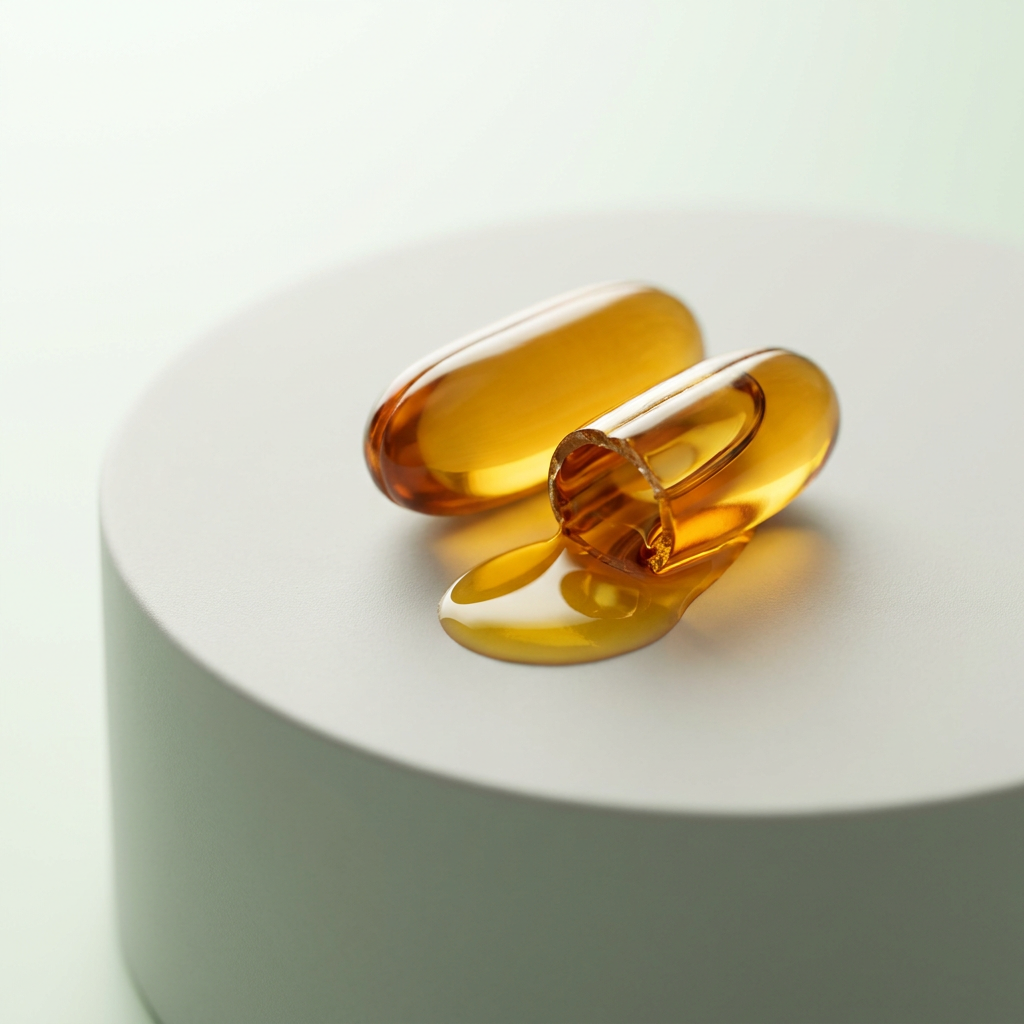
Vitamin E is the collective term for a group of fat-soluble antioxidants—most commonly used in cosmetics as tocopherol or as the more stable tocopheryl acetate. The skin naturally stores vitamin E in its lipid layers, where it neutralizes free radicals before they attack cellular structures. UV light, stress, and aging deplete the skin's own reserves—skincare products can replenish them from the outside.
Its second function is less well known: Vitamin E is often not primarily included for the skin's benefit, but rather as a natural preservative. It prevents sensitive plant oils in creams, scrubs, and lip balms from oxidizing and becoming rancid. That's why you'll so often find tocopherol at the end of the INCI list—there, it acts as a stabilizer for the oils, not as the star ingredient. Both uses are legitimate, and both are useful.
Effects: What's Proven
Its antioxidant protective properties and nourishing effects are well documented: Vitamin E makes the skin smoother, reduces moisture loss, and supports the skin barrier. Particularly interesting is its interaction with vitamin C—the two antioxidants regenerate each other, and their effects as a duo have been studied more extensively than their individual effects. So why only three out of five bars? Many studies are small-scale or test vitamin E in combination with other active ingredients, making it difficult to quantify its individual effect. You shouldn't buy it as a standalone miracle cure—but as a reliable team player, definitely.
Usage & Combination
It couldn't be simpler: Vitamin E can be used in the morning and at night, requires no adjustment period, and doesn't make your skin more sensitive to light. Most of the time, you don't even need to buy it specifically—chances are it's already in your cream, facial oil, or lip balm.
Pairs Well With
✓ Vitamin C—the classic antioxidant duo that stabilizes each other
✓ Shea butter & plant oils—vitamin E is the natural companion to any lipid-based skincare product
✓ Sunscreen – Antioxidants effectively complement UV protection in the morning
Note
! Very oily, blemish-prone skin may not always tolerate rich vitamin E oils well
! Contact allergies are rare but possible—test new products on the inner elbow first
Vitamin E in the BONSANA lineup
Available in the shop
Antioxidant protection for your skin
Oils, creams, and skincare products with vitamin E—verified brands, ready to ship from our Swiss warehouse.
To facial care →Frequently Asked Questions About Vitamin E
Is Vitamin E good for the skin?
Yes. As a fat-soluble antioxidant, vitamin E protects the skin's lipids from free radicals, makes the skin smoother, and supports the skin barrier. It is one of the longest-used and best-tolerated skincare ingredients of all.
Why is tocopherol listed on almost every INCI list?
Because vitamin E serves a dual purpose: It nourishes the skin while also protecting the plant oils in the formula from oxidation. If tocopherol appears far down the list, it's usually included in a dosage intended to protect the formula—which is normal and makes sense.
Is vitamin E compatible with vitamin C?
Yes, very well, in fact. The two antioxidants help each other regenerate and are intentionally combined in many serums. This duo has been studied more extensively than either ingredient on its own.
Does vitamin E help with scars?
There is no convincing evidence to support this. Studies show that pure vitamin E offers no advantage over basic skincare when applied to scars—consistent sun protection and time are more important. For noticeable scars, consulting a doctor is recommended.


