



Small, rough bumps on the upper arms that feel like fine sandpaper—and that neither acne cream nor daily showers can get rid of: This is most likely “chicken skin,” medically known as keratosis pilaris. It’s one of the most common skin conditions of all, completely harmless—and yet, for many, a cosmetic nuisance, especially when T-shirt season begins in the summer. In this guide, you’ll learn what causes keratosis pilaris, why it’s so stubborn, and what combination of exfoliation and skincare can visibly smooth your skin’s texture.
What Is Keratosis Pilaris? Keratosis Pilaris Explained Simply
With keratosis pilaris, the skin produces too much keratin at the hair follicles—the structural protein that also makes up hair and nails. The excess keratin clogs the tiny follicle openings and forms small keratin plugs: the typical little bumps that you can see and, above all, feel. The outer sides of the upper arms are most commonly affected, along with the thighs, buttocks, and sometimes the cheeks. Important to know: keratosis pilaris is not acne, is not contagious, and is not a hygiene issue. Estimates suggest that about one in three adults has it in some form—so you’re in good company.
Why doesn’t keratosis pilaris just go away?
The predisposition to keratosis pilaris is genetic—it can’t be cured with cosmetics, only managed. That’s the honest truth. The good news: Its appearance can be significantly improved with consistent care. Two factors typically worsen keratosis pilaris: dryness and friction. In winter, with frequent hot showers, or when using highly drying soaps, the skin becomes rougher and the plugs become more prominent. Scratching or squeezing makes it worse—it further irritates the follicles and can leave behind redness and small scars. The strategy for treating keratosis pilaris therefore always consists of two parts: regularly removing the dead outer layer of skin and then consistently moisturizing the skin.
Exfoliation for “grater skin”: mechanical, chemical, or both
When it comes to exfoliation, you have two options—and they complement each other well:
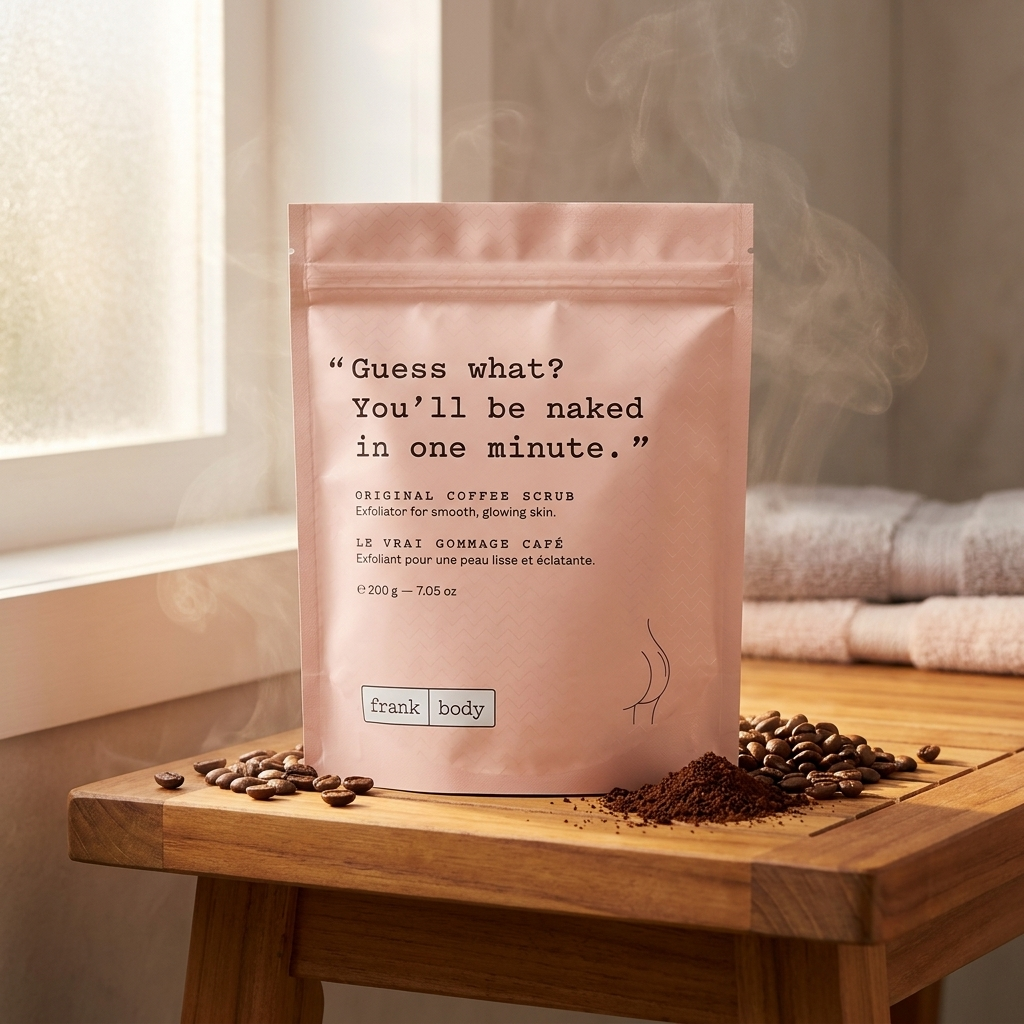
Mechanical: A body scrub with fine particles loosens the dead skin plugs through gentle friction. The classic choice for this is the FRANK BODY Original Coffee Scrub: freshly ground coffee combined with nourishing oils that noticeably smooths the skin without drying it out. Massage it into damp skin two to three times a week, let it sit briefly, then rinse off. You can read more about what else this classic coffee scrub can do in the guide “Coffee Scrub: Effects and Application.”
Chemical: Glycolic acid (AHA) works even more precisely. It breaks down the bonds between dead skin cells and gently removes calluses—without any scrubbing. The FRANK BODY Glycolic Body Scrub combines both principles: gentle mechanical exfoliation plus AHA. It’s precisely this combination that makes it the brand’s best product for rough patches on the upper arms, buttocks, and legs. Important tips for using AHAs on the body: start slowly (once or twice a week), do not use on irritated skin, and apply sunscreen to treated areas on sunny days.
Moisturizing afterward: half the battle
Exfoliation alone isn’t enough—without follow-up care, the skin dries out and dead skin cells build up again more quickly. The ideal solution is a lotion that hydrates and gently supports skin renewal. The FRANK BODY Smoothing AHA Body Lotion combines both: a light texture for everyday use, with a mild AHA content that continues to work between exfoliation sessions. Apply after showering to skin that’s still slightly damp—this is the best way to lock in moisture. If you prefer to keep it simple: the main thing is that you moisturize regularly. Consistency beats perfection.
A Gentle Alternative for Sensitive Skin: ESPONJABÓN
Not every skin type tolerates acids or harsh scrubs. If your rough skin is prone to redness or you’re simply looking for an uncomplicated solution for everyday use, the Mexican 2-in-1 soap sponge is a great choice: The ESPONJABÓN Oatmeal combines mild cleansing with colloidal oats—a classic for sensitive skin—and a gentle massaging effect thanks to the sponge’s texture. This way, you get a mini-exfoliation with every shower without stressing your skin. You can read more about this cult product in the ESPONJABÓN Soap Sponge Guide.
By the way: If your rough patches look more inflamed and are located on your back, there might be another underlying cause—check out our guide “Back Acne: What Helps.” And in cases of severe inflammation, itching, or uncertainty, the rule is the same as always: head to a dermatologist’s office.
Realistic Expectations: What Skincare Can Do for Rough, Scaly Skin
- Here’s what you can expect: noticeably smoother skin after a few weeks of consistent care, less visible bumps, and a more even complexion—just in time for the next T-shirt season.
- What you shouldn’t expect: a permanent cure. Keratosis pilaris is a genetic predisposition—if you stop your skincare routine, the bumps will usually return. For many people, it tends to fade on its own with age.
Available in the shop
FRANK BODY Scrubs for rough patches
Original Coffee Scrub & Glycolic Body Scrub—in stock in Switzerland with shipping within 24 hours.
View Coffee Scrubs →Frequently Asked Questions About Keratosis Pilaris
Is keratosis pilaris dangerous?
No. Keratosis pilaris is a harmless, very common skin condition and is neither contagious nor a sign of poor hygiene. It’s purely a cosmetic issue—you only need to treat it if it bothers you.
How quickly does keratosis pilaris improve?
With a consistent routine of two to three exfoliations per week and daily moisturizing, you’ll realistically see a noticeable improvement after four to eight weeks. The treatment only works as long as you stick with it—keratosis pilaris is a marathon, not a sprint.
Does a coffee scrub help with keratosis pilaris?
A coffee scrub mechanically breaks down the keratin plugs and noticeably smooths the skin—it’s a useful part of your routine, but it doesn’t cure the underlying condition. It works best in combination with daily moisturizing and, if necessary, a mild AHA product.
Can you squeeze the little bumps?
Please don’t. The keratin plugs are firmly lodged in the follicles—squeezing irritates the skin, increases redness, and can leave small scars. Regular exfoliation and skincare achieve the same goal, but without the collateral damage.
Which is better: mechanical or chemical exfoliation?
Both work; a combination is often ideal. Mechanical scrubs provide an immediate, noticeable smoothing effect, while AHA products work more thoroughly at a deeper level. If you have sensitive skin, it’s best to start with a gentle option, such as a mild loofah, and gradually increase the intensity.
For retailers: Do you run a perfume shop, pharmacy, drugstore, or online beauty store in Switzerland? As an official distributor, BONSANA supplies you with FRANK BODY, ESPONJABÓN, and other curated beauty brands—become a retailer now.


