



Ingredient Encyclopedia · C
INCI: Ceramide NP / AP / EOP
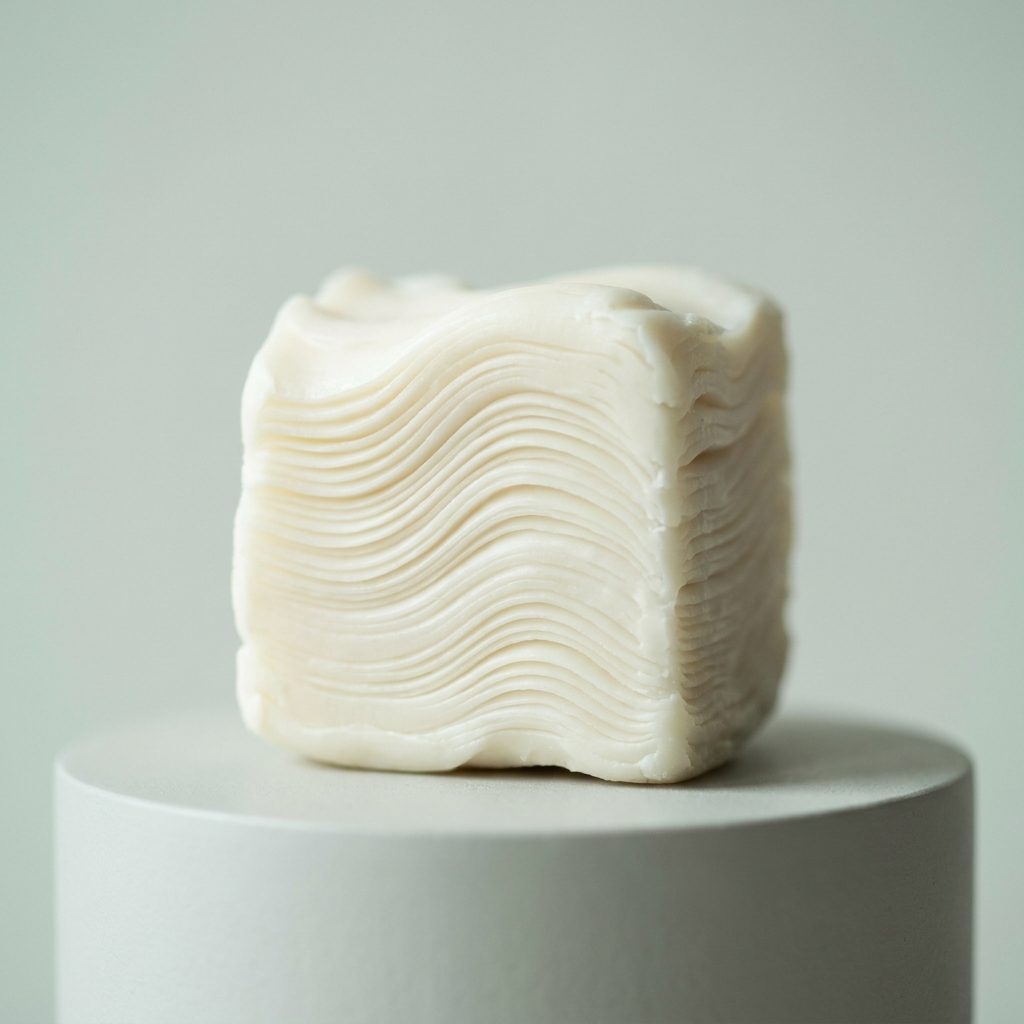
Imagine your skin barrier as a brick wall: The skin cells are the bricks—and ceramides are the mortar that holds everything together. If the mortar is missing, the wall becomes porous: Moisture escapes, irritants penetrate more easily, and the skin feels tight and becomes red. Ceramides in skincare products fill in exactly these gaps.
What are ceramides?
Ceramides are lipids—that is, fats—produced naturally by the skin and make up about half of the fatty substance in the outermost layer of the skin. Together with cholesterol and fatty acids, they form the “mortar” between the keratinocytes: the foundation of an intact skin barrier. On the INCI list, you can recognize them by names such as Ceramide NP, AP, or EOP—these abbreviations stand for different types of ceramides with slightly different roles in the barrier complex.
With age, frequent washing, cold weather, dry air, or an excess of active ingredients, the skin’s natural ceramide content decreases. Almost everyone is familiar with the result: the skin becomes dry, tight, and more sensitive than usual. Skincare with ceramides addresses this very issue—it restores the “mortar” to the “wall.”
Effect: What the Evidence Shows
Four out of five bars: The body of research is strong. Several clinical studies show that ceramide-containing skincare can measurably reduce moisture loss through the skin and alleviate dryness and tightness. Ceramides are also well-documented as a complementary treatment for sensitive skin prone to dryness. Important to note: Ceramides do not work overnight—they continuously support the skin barrier, and the effect builds up over days to weeks.
Application & Combination
Ceramides are completely straightforward: use them morning and night, with no need for a build-up period and no increased sensitivity to light. They work as a serum under your cream or directly in your moisturizer. They’re particularly useful as a counterbalance to active ingredients: If you regularly use acids or retinol, ceramides replenish the building blocks your skin needs for a stable barrier.
Good Combinations
✓ Niacinamide – further supports the skin’s own ceramide production
✓ Hyaluronic acid & squalane – lock in moisture, keep the barrier supple
✓ Retinol & acids – ceramides help mitigate side effects
Note
! Ceramides have a cumulative effect—consistent use is more effective than occasional application
! For skin conditions such as atopic dermatitis, skincare is no substitute for a medical evaluation
Ceramides in the BONSANA lineup
Shop Now
Care for Sensitive Skin
Ceramide serums and barrier creams for stressed skin—trusted brands, in stock in Switzerland.
Discover sensitive skin care →Frequently Asked Questions About Ceramides
What do ceramides do in skincare?
They replenish the skin’s own barrier lipids: Like mortar between bricks, they seal the outermost layer of the skin, reduce moisture loss, and make the skin more resilient to external irritants.
How can I tell if my skin barrier is weakened?
Typical signs include tightness, dryness, redness, and skin that suddenly reacts to products it used to tolerate without any issues. In that case, a simplified skincare routine with ceramides is recommended.
Can I combine ceramides with retinol or acids?
Yes—in fact, it’s ideal. Ceramides don’t interact with active ingredients and help mitigate dryness and irritation caused by acid or retinol routines.
Are ceramides also suitable for oily skin?
Yes. Even oily skin can have a weakened barrier. Light textures, such as a ceramide serum or a gel-cream, nourish the skin without weighing it down.


